Signs Your Dog Is Aging and What to Do About It
The signs of aging in dogs show up gradually, which is exactly why they’re easy to miss day to day — you see your dog every day, so a slow decline over months can look like “normal” until you compare it to how they were a year earlier. Here’s what to actually watch for, and what each sign is usually telling you.
Physical signs of aging in dogs
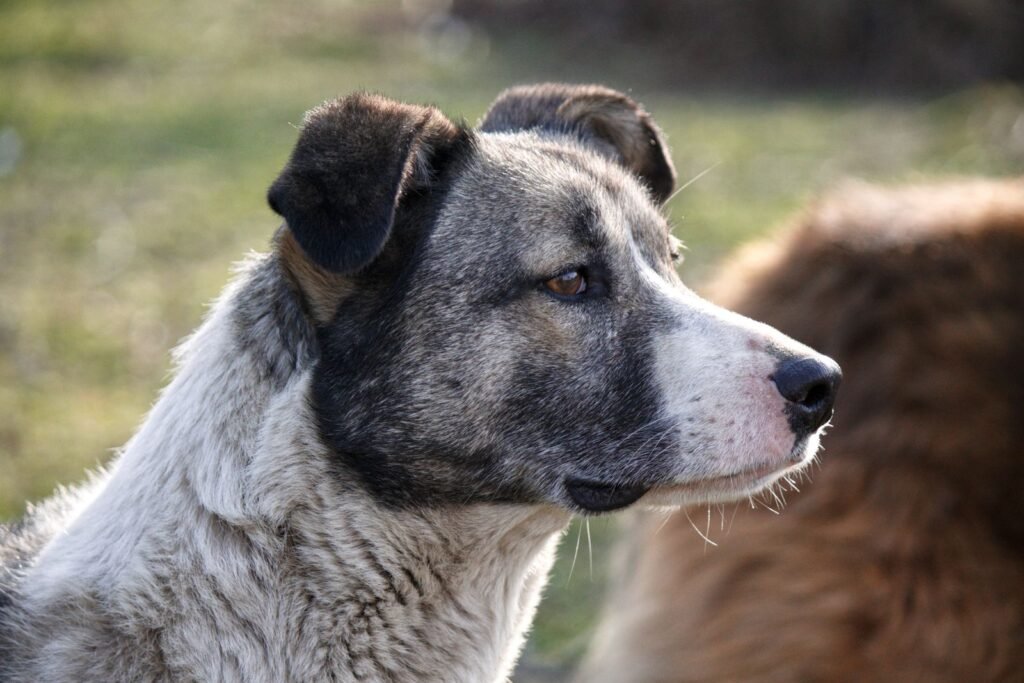
Graying around the muzzle and face. The most visible and least medically significant sign — a cosmetic marker of age rather than itself a health concern, though it’s often the first thing owners notice and a useful cue to start paying closer attention to other, more meaningful changes.
Reduced activity and stamina. A dog who used to sustain long play sessions and now tires more quickly is showing a common aging pattern, but a sudden or dramatic drop in stamina, rather than a gradual one, is worth a vet visit to rule out an underlying condition like heart or joint disease.
Stiffness, especially after rest. Difficulty getting up after lying down, hesitancy on stairs, or a stiff gait that loosens up after a few minutes of walking are classic early signs of joint changes — see Joint Supplements for Senior Dogs and Mobility Aids for Senior Pets for what actually helps.
Vision and hearing decline. A dog bumping into familiar furniture, being startled more easily by an approach they didn’t hear coming, or being slower to respond to their name are common and often gradual enough that owners don’t notice until it’s fairly advanced.
Weight changes in either direction. Weight gain often reflects a slowing metabolism combined with unchanged food portions; unexplained weight loss is more concerning and should prompt a vet visit rather than being assumed to be age-related.
Changes in coat and skin. A duller coat, drier skin, or new lumps and bumps are common with age — many lumps in older dogs turn out to be benign, but any new lump is still worth having a vet examine rather than assuming.
Behavioral and cognitive signs
Disrupted sleep patterns. Restlessness at night, pacing, or seeming confused about day and night can be an early sign of canine cognitive dysfunction, broadly comparable in concept to age-related cognitive decline in humans.
Getting “stuck” or seeming lost in familiar spaces. Standing at the wrong side of a door, appearing confused in a room they know well, or seeming disoriented are more specific cognitive signs worth flagging to your vet.
Reduced interest in play or interaction. Some withdrawal is a normal part of lower energy levels, but a dramatic personality shift — increased irritability, avoiding interaction they used to enjoy — can also reflect underlying pain a dog can’t otherwise communicate.
House-training lapses. A previously reliable dog having accidents is rarely “bad behavior” in a senior dog — more often it’s a sign of a physical issue or cognitive decline, and it warrants a vet conversation rather than correction.
Why some signs are more urgent than others
Not every sign on this list carries the same weight. A gradually graying muzzle needs no action at all, while a sudden change in any single area — especially mobility, appetite, or behavior — is a more reliable signal that something specific has developed, rather than a general, expected part of aging. Learning to distinguish gradual, multi-area changes from sudden, isolated ones is one of the most useful skills an owner of an aging dog can develop.
How to track changes over time
Because these signs develop slowly, many owners find it genuinely useful to keep a simple ongoing note — even just a phone note updated every few months — of how their dog is doing across a few key areas: mobility, appetite, sleep, and general demeanor. This makes it much easier to notice a real trend rather than relying on memory, which tends to normalize slow change more than a written record does.
What to actually do when you notice a new sign
None of these signs need to be alarming on their own, but the right response is consistent across all of them: don’t wait for the next scheduled annual visit if you notice a new or worsening sign — mention it specifically at, or schedule, a vet visit, since many age-related conditions are far more manageable when caught early. The American Veterinary Medical Association offers general guidance on senior pet wellness visits that’s a useful starting point for what to ask. A full framework for structuring senior care around this is in Caring for a Senior Dog: A Complete Guide.
Common questions
At what age do these signs typically start? It varies significantly by size and breed — larger breeds often show early signs of aging sooner than small breeds, since bigger dogs generally have shorter lifespans and age proportionally faster.
Is graying fur a sign of a health problem? No — it’s a cosmetic sign of age, similar to gray hair in humans, and isn’t itself an indicator of an underlying condition.
How can I tell the difference between normal aging and a medical issue? Gradual, mild changes spread across multiple areas tend to reflect normal aging; sudden changes, or a change isolated to one specific area, are more likely to reflect something worth a vet visit.
Can cognitive decline in dogs be managed? Some evidence suggests mental stimulation, a consistent routine, and in some cases specific interventions a vet may recommend can help manage, even if not fully reverse, cognitive decline, making early recognition genuinely valuable.
Should I be concerned if my dog only shows one of these signs? Not necessarily on its own, but it’s still worth mentioning at a vet visit — some conditions present with a single early symptom well before other signs develop.
Do all dogs experience the same aging signs in the same order? No — the specific signs and their order vary by individual dog, breed, and overall health history, which is part of why tracking your own dog’s baseline matters more than comparing to a generic timeline.
Is it possible for aging signs to temporarily improve rather than steadily progress? Yes, in some cases — a sign caused by a treatable underlying issue (like a mild injury or infection contributing to stiffness) can improve significantly once that specific issue is addressed, which is one more reason not to assume every sign is purely age-related and untreatable.
Why owners often miss these signs until they’re advanced
Living with a dog every single day creates a kind of blindness to slow change that a visitor or a vet, seeing the dog only periodically, doesn’t share — this is one of the most consistent patterns veterinarians report hearing from owners after a diagnosis, something along the lines of not realizing how much had changed until it was pointed out directly. Photos and videos from six months or a year earlier can be a surprisingly effective tool for cutting through this blindness, since they offer an objective comparison point that day-to-day memory tends to smooth over. Building a habit of comparing your dog’s current behavior against a fixed point in the past, rather than only against yesterday, is one of the most practical ways to catch a meaningful trend before it becomes a crisis. This is particularly valuable for cognitive and mobility changes, both of which tend to progress slowly enough that day-to-day comparison rarely reveals much on its own.
Is it useful to track my dog’s weight regularly as part of watching for aging signs? Yes — regular weigh-ins, even simple ones at home between vet visits, can reveal a gradual trend in either direction well before it becomes visually obvious, making weight one of the more objective and trackable signals available to an owner without any special equipment.
Should I mention every minor change I notice, even ones that seem trivial? Yes — vets generally prefer knowing about small changes even if most turn out to be unremarkable, since the pattern across several minor observations sometimes reveals something a single symptom wouldn’t on its own.
Using a simple monthly check-in as a structured habit
Rather than relying on catching changes incidentally, some owners find it useful to set a brief, recurring monthly check-in with themselves, running through the signs covered in this guide deliberately rather than hoping to notice something during ordinary daily life. This kind of structured habit, even just five minutes once a month, tends to catch gradual changes considerably earlier than passive observation alone, since it forces an explicit comparison rather than relying on memory.
Signs of aging in dogs: how environment changes can mask or mimic them
A change in environment, a move, a new pet in the household, a change in routine, can sometimes produce behavior changes that look similar to aging signs but are actually situational stress rather than a physical decline. Considering whether anything has recently changed in your dog’s environment, alongside the physical signs covered here, helps avoid misattributing a temporary stress response to aging when the two can sometimes look alike on the surface.
Why comparing notes with your vet adds a valuable outside perspective
Because owners see their dogs every day, it’s genuinely difficult to notice slow change without an outside reference point. Your vet, seeing your dog periodically rather than daily, often has a clearer view of gradual change than you do, which is exactly why bringing your own observations to a wellness visit and comparing them against your vet’s professional assessment tends to surface a more complete and accurate picture than either perspective alone.
Do all dogs show the same aging signs at roughly the same pace? No, the rate and pattern of aging varies considerably between individual dogs, even within the same breed, influenced by genetics, overall health history, and lifestyle factors, which is part of why tracking your own dog’s individual baseline matters more than comparing against a generic timeline.
Can nutrition influence how noticeably a dog shows aging signs? A well-balanced diet appropriate to a dog’s life stage supports overall health broadly, which can influence how gracefully a dog manages the aging process, though it doesn’t prevent aging itself — appropriate nutrition is a supportive factor alongside the other care elements covered in Caring for a Senior Dog. Watching for these signs of aging in dogs early is what turns a manageable issue into a genuinely treatable one.

This article is for general educational purposes and isn’t a substitute for veterinary advice. If you notice new or worsening signs in your dog, consult your vet rather than waiting for the next scheduled visit.