Accident-Only vs. Accident-and-Illness Pet Insurance: What’s the Difference
Accident only vs accident and illness pet insurance isn’t just a naming detail — it comes down to two fundamentally different coverage levels, and confusing the two is one of the most common and costly mistakes new pet owners make when shopping for a policy. Here’s exactly what separates them, and how to think about which one actually fits your situation.
Accident only vs accident and illness pet insurance: what accident-only covers
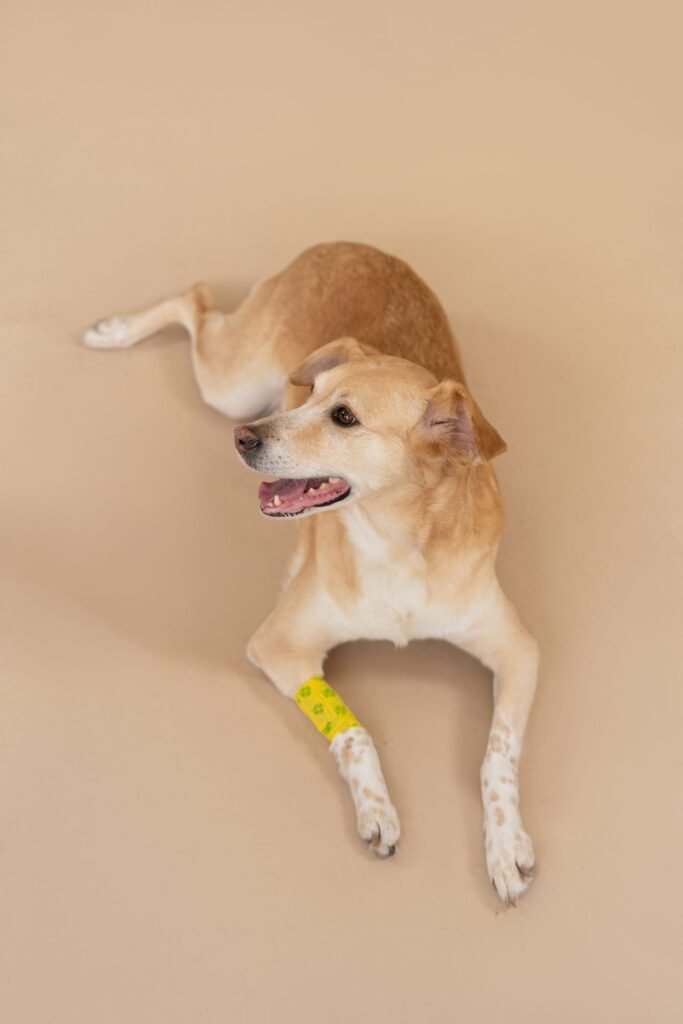
Accident-only policies cover injuries resulting from a specific, sudden event: broken bones, torn ligaments from a fall, swallowed foreign objects requiring surgery, bite wounds, poisoning, and similar unplanned incidents. What defines an “accident” in insurance terms is that it results from an identifiable event rather than developing gradually inside the body.
This is the more affordable coverage tier, and it appeals to owners who want a safety net specifically for the unpredictable, often expensive events that can happen to any pet — a swallowed object, a fall, a car-related injury — without paying for broader illness coverage.
What accident-and-illness coverage adds
Accident-and-illness policies include everything in accident-only coverage, plus diagnosed medical conditions that develop over time rather than from a single event: cancer, diabetes, infections, allergies, digestive disorders, and chronic conditions like kidney or heart disease. This is the more comprehensive and more expensive coverage tier, and for most pets, illness — not accidents — accounts for the larger share of lifetime veterinary costs, particularly as pets age.
Why this distinction matters more than it first appears
It’s easy to assume “insurance is insurance” and default to whichever option costs less, but the practical difference between these two tiers is enormous. An accident-only policy provides real protection against a sudden traumatic event, but it offers no help at all if your pet is later diagnosed with cancer, diabetes, or a chronic illness — conditions that, cumulatively, tend to represent the larger financial risk over a pet’s full lifetime. Owners sometimes discover this gap only after filing a claim for an illness and learning their accident-only policy doesn’t apply.
Who accident-only coverage tends to fit
- Owners on a tighter budget who want some protection rather than none
- Owners of young, generally healthy pets without a known breed predisposition to chronic illness, who are primarily concerned about sudden injury risk
- A supplement to a dedicated emergency savings fund, rather than the sole financial safety net
Who accident-and-illness coverage tends to fit
- Owners who want protection against the full range of what could realistically happen over a pet’s lifetime, not just sudden injury
- Owners of breeds with known predispositions to chronic conditions
- Anyone who has run the broader cost-benefit case (covered conceptually in How Pet Insurance Works) and decided the additional premium is worth the more comprehensive protection

A common middle-ground misunderstanding
Some owners assume accident-only coverage is a reasonable “starter” tier they can upgrade from later if a pet develops a chronic condition. This doesn’t work the way people expect — once a condition is diagnosed or has shown symptoms, it becomes a pre-existing condition on any new policy or coverage upgrade, meaning it won’t be covered even after switching to a more comprehensive plan. The decision between these two tiers is best made with the pet’s full future in mind, not treated as a temporary starting point — more detail on why timing is so consequential is in Pre-Existing Conditions and Pet Insurance.
What to check regardless of which tier you choose
- Whether wellness add-ons are available separately — neither accident-only nor accident-and-illness coverage typically includes routine preventive care by default
- What’s excluded even within your chosen tier — the full breakdown of standard exclusions across both coverage types is in What Does Pet Insurance Actually Cover?
- How the reimbursement rate and deductible interact, since these affect your actual out-of-pocket cost regardless of which coverage tier you select
Common questions
Is accident-only coverage worth it if I can’t afford full coverage? It provides genuine value against sudden, often expensive injuries, and it’s a reasonable middle ground between no coverage and full coverage for owners working within a tighter budget — the key is knowing clearly what it doesn’t cover so there’s no surprise later.
Can I switch from accident-only to accident-and-illness coverage later? Yes, in most cases, but any condition your pet has already shown symptoms of before switching becomes a pre-existing exclusion under the new coverage, so switching doesn’t retroactively cover something that’s already developed.
Do both coverage tiers have the same waiting periods? Not necessarily — accident coverage generally activates sooner than illness coverage across most insurers, which is one more reason to understand the distinction between the two before assuming coverage is active.
Which tier is more commonly chosen by pet owners? Accident-and-illness coverage is generally the more commonly selected tier, since illness represents a larger share of lifetime veterinary costs for most pets, but the right choice still depends on individual budget and risk tolerance.
Does accident-only coverage include things like poisoning or object ingestion? Yes — these are generally classified as accidents rather than illnesses, since they stem from a specific identifiable event, and are typically included even in the more basic coverage tier.
Accident only vs accident and illness pet insurance: why insurers offer both
Accident-only coverage exists because not every pet owner needs or wants the same level of protection, and insurers recognize that a lower-cost entry point broadens who can reasonably afford some coverage. It also tends to appeal to owners of younger pets who feel the statistical risk of a chronic illness diagnosis is lower in the near term, even while acknowledging that risk exists for every pet over a long enough timeline.
How claims differ between the two coverage types
Filing a claim under either coverage type follows the same basic process — submitting an itemized invoice and relevant records for review. The difference shows up in what gets approved: an accident-only claim is evaluated on whether the treatment resulted from an identifiable sudden event, while an accident-and-illness claim is evaluated more broadly, since it also covers conditions that developed gradually. This distinction occasionally creates ambiguity — an injury that resulted indirectly from an underlying condition, for instance — which is one more reason to read a policy’s actual definitions rather than assuming based on the plan name alone.
A note on breed-specific risk and coverage choice
Breeds with well-documented predispositions toward chronic illness or specific hereditary conditions represent a meaningfully different risk profile than a mixed-breed pet with no known predisposition. Owners of higher-risk breeds often find that the broader protection of accident-and-illness coverage aligns more closely with their pet’s realistic lifetime risk, while owners of lower-risk breeds may feel more comfortable with the narrower, less expensive accident-only tier. Neither choice is inherently right or wrong — it depends on your specific pet, your risk tolerance, and your budget.
Revisiting your coverage choice over time
Some owners start with accident-only coverage for a young pet and consider upgrading to full accident-and-illness coverage a few years in, once their financial situation changes or once they’ve done more research. This is a reasonable approach, but it comes with a real tradeoff worth repeating: any condition that develops before the upgrade won’t be covered by the new, broader policy either, since it will already be a pre-existing condition by the time of the switch. If you think you might eventually want full coverage, there’s a real cost-benefit case for simply starting there rather than upgrading later.
Common questions, continued
Does accident-only coverage cost significantly less than accident-and-illness? Yes, generally — accident-only coverage is meaningfully cheaper on a monthly basis, since it covers a narrower range of potential claims, though the exact difference varies by insurer and by your specific pet’s risk profile.
Is there a coverage tier between these two options? Some insurers offer tiered illness coverage (for instance, covering certain illness categories but not others), but the fundamental split between accident-only and accident-and-illness remains the industry’s core distinction, and most policies fall clearly into one category or the other.
How claims data shapes future pricing under each tier
Insurers use aggregate claims data to price both coverage tiers, and because illness claims tend to be both more frequent and more expensive than accident claims across a pet population, the price gap between accident-only and accident-and-illness coverage often reflects this underlying cost difference rather than an arbitrary markup. Understanding this helps explain why the price difference between tiers can feel larger than expected — it’s priced around real claims patterns, not just a marketing distinction between two similarly-costed products. The North American Pet Health Insurance Association publishes aggregate industry claims data each year, if you want to see how these trends play out at a sector-wide level.
A framework for deciding between the two tiers
Rather than defaulting to whichever tier feels more affordable in the moment, it’s worth running through a short set of questions: does your pet’s breed carry known predispositions toward chronic illness, is your household in a financial position to absorb an unexpected illness-related bill without insurance, and do you plan to keep this pet insured long-term or are you testing the waters with a lower-commitment option first. Answering these honestly tends to produce a clearer answer than comparing premium numbers alone, since the right tier depends more on your specific risk tolerance and pet’s profile than on any universal rule.
A note on how this decision interacts with your pet’s age
The older a pet is when you’re weighing these two tiers, the more the calculation shifts toward accident-and-illness coverage making sense, simply because the odds of an age-related illness developing rise with time, and once a condition appears it’s permanently excluded regardless of which tier you eventually choose. For a young, healthy pet, this urgency is lower, giving you more flexibility to start with the less expensive tier if budget is the deciding factor right now. Weighing accident only vs accident and illness pet insurance honestly against your pet’s actual risk profile is the real decision here.

This article is for general educational purposes and isn’t personalized financial advice. Confirm exact coverage definitions directly with any insurer before enrolling, since specific classifications can vary by company.