What Does Pet Insurance Actually Cover? (Accidents, Illness, Wellness)
What does pet insurance cover? “Pet insurance” isn’t one single product — it’s typically built from three distinct layers of coverage, and knowing the difference matters more than the headline premium when you’re evaluating a plan. Here’s what each layer actually pays for, and what’s excluded across virtually every insurer regardless of which company you choose.
What does pet insurance cover: the three layers explained
Accident coverage addresses injuries resulting from a specific, identifiable event: broken bones, swallowed objects requiring surgical removal, bite wounds, and similar sudden incidents. This is the coverage included in every plan type, including the more basic accident-only tier.
Illness coverage addresses diagnosed medical conditions that develop gradually rather than from a single event: infections, chronic diseases, cancer, and similar conditions. This is what distinguishes a full accident-and-illness plan from a narrower accident-only policy, and it’s where a large share of a pet’s lifetime veterinary costs tend to originate, particularly with age. The full distinction between these two coverage tiers is covered in Accident-Only vs. Accident-and-Illness Pet Insurance.
Wellness add-ons are optional riders, purchased separately from accident/illness coverage, reimbursing routine preventive care — annual exams, vaccinations, and similar scheduled services. These function more like a prepaid routine-care budget than traditional insurance, since the costs they cover are predictable rather than unexpected.
What’s typically covered under standard accident-and-illness coverage
- Emergency veterinary visits and hospitalization
- Surgical procedures, including orthopedic surgery
- Diagnostic testing — bloodwork, imaging, and other diagnostic tools
- Prescription medications tied to a covered condition
- Specialist and referral visits
- Ongoing management of chronic conditions, once the condition itself is covered rather than pre-existing
- Hereditary and congenital conditions, on many modern policies — this varies by insurer, so it’s worth confirming rather than assuming
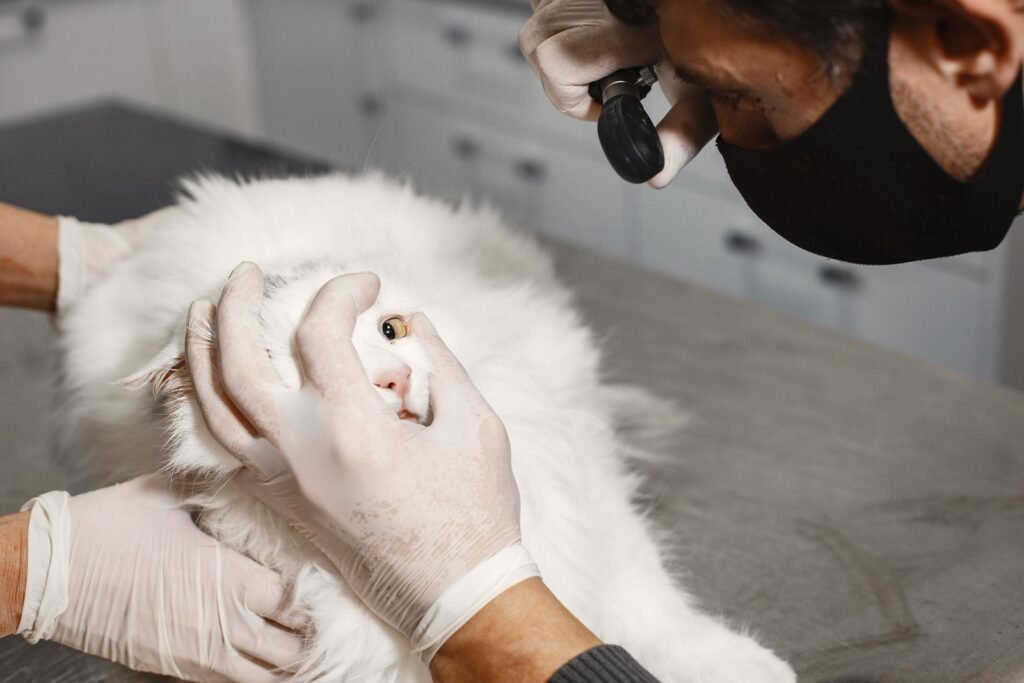
What’s excluded across virtually every insurer
- Pre-existing conditions — anything showing symptoms before the policy started or during the waiting period, covered in full detail in Pre-Existing Conditions and Pet Insurance
- Elective or cosmetic procedures — non-medically-necessary procedures generally fall outside standard coverage
- Breeding-related costs — pregnancy, whelping, and related complications
- Routine or preventive care — unless a separate wellness add-on has been purchased
- Experimental or unproven treatments — procedures not yet considered standard veterinary practice
The gray areas worth checking directly
A few categories vary meaningfully between insurers rather than following a consistent industry standard, which makes them worth confirming directly rather than assuming either way:
Dental care. Dental illness requiring treatment (like an infected tooth) is often covered as an illness, while routine cleanings usually require a separate wellness add-on — but the exact line varies by company.
Behavioral treatment. Some insurers cover vet-prescribed behavioral treatment (medication, a referral to a veterinary behaviorist), while others exclude it outright — this is one of the more inconsistent categories industry-wide.
Prescription diets. A therapeutic diet prescribed for a covered condition is covered by some insurers and excluded by others, which matters if your pet is likely to eventually need one.
Alternative and rehabilitative therapies. Physical therapy, acupuncture, and similar treatments are increasingly covered by some insurers as legitimate treatment for certain conditions, while others still classify them as non-standard and exclude them.
How coverage limits interact with what’s “covered”
Even a condition that falls clearly within a covered category is still subject to your policy’s deductible, reimbursement rate, and any applicable payout limit — being “covered” doesn’t mean 100% of the cost is reimbursed. Understanding how these mechanics work together is covered in How Pet Insurance Works.
Why reading the actual policy document matters
Marketing pages summarize coverage in broad strokes, but the actual policy document contains the specific definitions, exclusions, and sub-limits that determine what really happens when you file a claim. This is especially important for the gray-area categories above, where assuming coverage based on a general impression can lead to an unwelcome surprise at claim time. The American Veterinary Medical Association offers general consumer resources on pet health coverage that are worth reviewing alongside any specific policy.
Common questions
Is dental disease always covered? Dental illness requiring treatment is often covered as an illness claim, though routine cleanings typically require a separate wellness add-on — this varies enough by insurer that it’s worth confirming directly.
Are hereditary conditions covered? Many modern policies do cover hereditary and congenital conditions, a shift from how the industry historically operated, but this isn’t universal, so it’s worth confirming for breed-specific conditions relevant to your pet.
Does coverage apply immediately after signing up? No — nearly every policy includes a waiting period before coverage becomes active, sometimes with a longer separate waiting period for specific orthopedic conditions.
What’s the most commonly misunderstood exclusion? Pre-existing conditions tend to cause the most confusion, particularly the fact that even a symptom without a formal diagnosis can trigger the exclusion — covered in full in Pre-Existing Conditions and Pet Insurance.
Can I add wellness coverage after my policy is already active? Often yes, though this varies by insurer — it’s generally treated as adding a rider to an existing policy rather than something that requires starting over.
Are alternative therapies like acupuncture ever covered? Increasingly yes with some insurers, particularly when prescribed by a vet as part of a treatment plan for a covered condition, though this remains inconsistent across the industry and is worth confirming directly.
How coverage decisions get made behind the scenes
When you file a claim, the insurer’s review typically checks the treatment against your specific policy’s coverage categories, confirms it isn’t tied to a pre-existing condition, and applies your deductible and reimbursement rate to determine the payout. Understanding this process — covered more fully in How Pet Insurance Works — helps explain why two claims that seem similar on the surface can sometimes be handled differently, depending on the specific diagnosis codes and documentation involved.
Coverage differences between species
Coverage categories are generally structured similarly across dogs and cats, but the conditions most likely to generate claims differ by species — orthopedic conditions are more common drivers of dog claims, while urinary and kidney-related conditions are more common drivers of cat claims. This doesn’t typically change what’s covered on paper, but it’s useful context for understanding what your policy is most likely to actually be used for over your pet’s lifetime.
Why “covered” doesn’t always mean “fully covered”
A condition falling within a covered category still means the deductible and reimbursement rate apply as normal — a covered claim isn’t the same as a fully reimbursed one. This is a common point of confusion for new policyholders who see “covered” in a policy summary and assume it means the full bill will be reimbursed, when in practice the same deductible-and-reimbursement-rate math applies to every covered claim.
Common questions, continued
Do insurers cover both diagnosis and treatment, or just treatment? Generally both — diagnostic testing needed to identify a covered condition, along with the treatment itself, are typically included together as part of a single claim for that condition.
Is coverage different for congenital versus hereditary conditions? Some insurers draw a distinction between the two (a congenital condition is present at birth, while a hereditary one is genetically predisposed but may develop later), and coverage can differ between them — worth checking directly rather than assuming they’re treated identically.
Building a realistic expectation before you need to file a claim
The most useful thing an owner can do with this information isn’t memorizing every exclusion — it’s building a realistic mental model before an actual claim is on the line. Knowing broadly that accidents and diagnosed illnesses are covered, that routine care needs a separate add-on, and that pre-existing conditions are always excluded gives you enough of a framework to avoid the most common surprises, even without memorizing every specific policy detail in advance.
Will a claim ever be denied for a covered condition? Yes, this can happen even for something that falls within a covered category, usually due to insufficient documentation, a missed deductible threshold, or a dispute over whether the condition was pre-existing — which is part of why keeping thorough veterinary records matters even before you need to file a claim.
How claim history affects future coverage decisions
Once a condition has been covered under a policy, it generally remains covered for the life of that policy, even if you switch plans within the same insurer or the condition becomes chronic and requires years of ongoing management. This is meaningfully different from switching to a brand-new insurer, where that same condition would then be treated as pre-existing. Understanding this distinction is part of why staying with a consistent insurer, once you’ve found one with terms you’re satisfied with, often serves a pet better over a full lifetime than switching to chase a slightly lower premium elsewhere.
What does pet insurance cover for multi-pet households
Coverage categories generally apply identically across every pet insured, regardless of how many pets are on a single account, but each pet’s specific coverage history, deductible progress, and any pre-existing conditions are tracked entirely separately. A condition affecting one pet has no bearing on what’s covered for another pet in the same household, which is worth knowing if you’re managing multiple policies and trying to keep track of what applies to which animal.
Why reading renewal terms matters as much as initial terms
Coverage terms can shift slightly at renewal, not just the premium — some insurers reserve the right to adjust exclusions or sub-limits over time. Reading the renewal notice each year, rather than assuming everything carries over identically, ensures you catch any meaningful change before it affects a claim rather than discovering it after the fact.
Does coverage differ between a kitten/puppy and an adult pet? The categories of coverage remain the same regardless of age, though premiums and the specific conditions most likely to be claimed shift as a pet gets older, which is covered in more detail in How Pet Insurance Works. Knowing exactly what does pet insurance cover before you need it is what makes a policy actually useful in a real emergency.

This article is for general educational purposes and isn’t personalized financial advice. Exact coverage, exclusions, and limits vary by insurer and plan — always read the actual policy document before enrolling.
Pingback: How to File a Pet Insurance Claim: Step-by-Step Guide