How to File a Pet Insurance Claim (Step-by-Step)
Learning how to file a pet insurance claim is simpler than most first-time policyholders expect, but the process catches people off guard in one specific way: nearly every insurer requires you to pay your veterinary bill in full upfront, then request reimbursement afterward. Here’s exactly how to file a pet insurance claim, from the moment you leave the vet’s office to the moment reimbursement arrives.
Step 1: Pay your vet bill at the time of service
Unlike human health insurance, pet insurance almost never bills the provider directly. You pay your veterinarian the full amount at checkout, the same as if you had no insurance, then request reimbursement from your insurer separately afterward. A small number of insurers have piloted direct-pay arrangements at select partner clinics, but this remains the exception rather than the norm across the industry — it’s safest to plan on paying upfront regardless of your coverage.
Step 2: Collect an itemized invoice and relevant records
Ask your vet’s office for a fully itemized invoice, not just a summary receipt, along with any relevant medical records or exam notes tied to that specific visit if they aren’t automatically included. Most insurers require this level of documentation to process a claim, and having it ready before you leave the clinic saves a follow-up call later.

Step 3: Submit the claim
Most insurers now offer a mobile app or online portal where you can photograph or upload your documentation directly — generally the fastest submission method. Some also accept claims by email or fax. You’ll typically provide basic details: date of service, reason for the visit, and your policy information.
Step 4: The insurer reviews the claim
During review, the insurer checks the treatment against your policy’s coverage terms, confirms it isn’t tied to a pre-existing condition, and applies your deductible and reimbursement rate. First-time claims sometimes take longer than later ones, since insurers often review a pet’s full veterinary history on an initial claim to confirm nothing predates the policy.
Step 5: Reimbursement is issued
Once approved, reimbursement is typically sent by direct deposit or check for the covered amount, based on your specific deductible and reimbursement rate. Processing speed varies meaningfully by insurer — some handle digital claims within a couple of days, while others take longer, particularly for larger claims or ones requiring more detailed manual review.
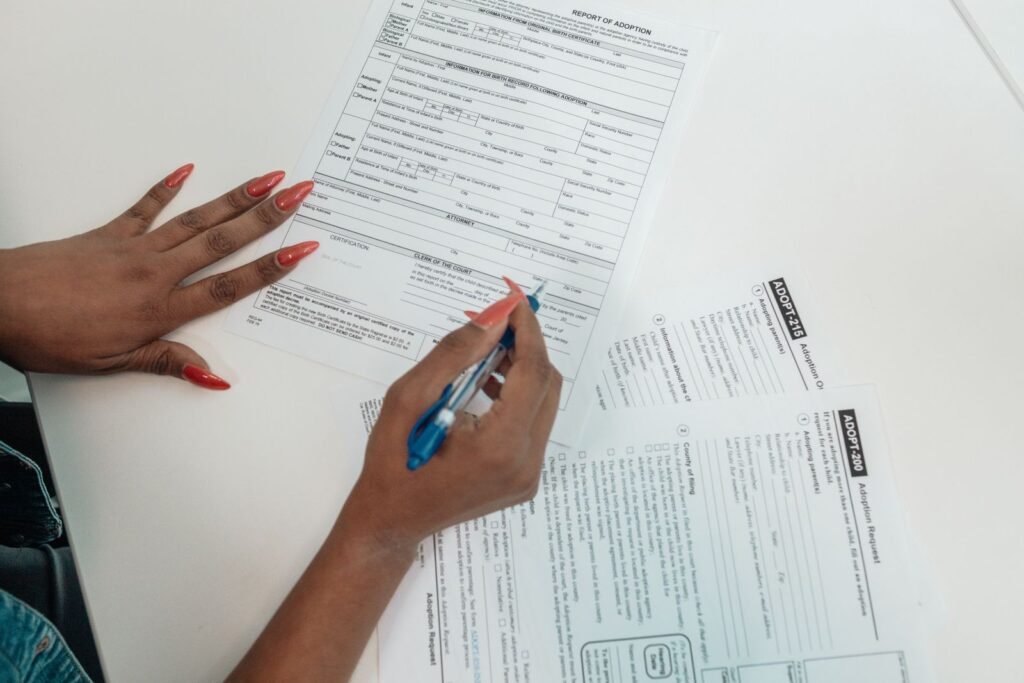
How to file a pet insurance claim faster and more smoothly
- Submit promptly — most insurers set a filing deadline from the date of service, and submitting while records are fresh reduces back-and-forth communication
- Double-check your policy number and pet’s name match exactly what’s on file, since mismatches are a common and avoidable cause of processing delays
- Keep a digital folder of your pet’s veterinary records so you’re never scrambling for documentation when a new claim comes up
- Call ahead if you’re unsure whether something is covered — many insurers will do a quick pre-check over the phone before you commit to a costly treatment
What happens with ongoing or recurring conditions
For a chronic condition requiring repeated treatment, you’ll generally file a new claim each time you incur a new cost, though some insurers streamline this process for conditions they’ve already reviewed and approved once, reducing the documentation burden on follow-up claims for the same diagnosis.
If your claim is denied
A denial isn’t necessarily the end of the process. Common reasons include a suspected pre-existing condition, incomplete documentation, or a service that falls under a specific policy exclusion — the general categories of what’s typically excluded are covered in What Does Pet Insurance Actually Cover?. Most insurers have a formal appeal process, and a clarifying letter from your vet addressing the specific basis for denial — particularly around the diagnosis timeline — is often the most effective step in a successful appeal. The National Association of Insurance Commissioners also outlines general consumer rights around insurance appeals that apply across the industry.
Keeping records organized for future claims
Owners who file multiple claims over a pet’s lifetime often find it worthwhile to keep an ongoing personal record of veterinary visits, separate from what the clinic maintains — a simple log of dates, reasons for visits, and outcomes. This makes future claims faster to document and gives you a clearer picture of your own claims history if you ever need to reference it during a dispute.
Common questions
How long does reimbursement typically take once a claim is approved? This varies meaningfully by insurer, from just a couple of days for digital-first companies to considerably longer for others — worth confirming as part of the plan comparison covered in How to Compare Pet Insurance Plans.
Can I file a claim entirely from my phone? Yes, in most cases — nearly every major insurer now offers a mobile app that lets you photograph documentation and submit a claim on the spot, generally the fastest available method.
What if I’ve lost the itemized invoice? Contact your vet’s office directly — they can typically reissue a fully itemized copy, since insurers generally require this level of detail rather than accepting a simple total-due receipt.
Do I need to file a claim for every visit, even small ones? Only if the cost exceeds your deductible in a way that makes reimbursement worthwhile — for a bill well under your deductible, filing won’t result in any payout, so it may not be worth the paperwork.
Is there a deadline for filing a claim after a vet visit? Yes, nearly every insurer sets a filing deadline from the date of service — submitting promptly rather than waiting is the safest approach, since a missed deadline can result in an otherwise valid claim being denied.
What should I do if I disagree with how a claim was processed? Request a clear, specific explanation of the decision, gather any supporting documentation from your vet if relevant, and use the insurer’s formal appeal process rather than assuming the initial decision is final.
Understanding Explanation of Benefits statements
After a claim is processed, most insurers provide a document — often called an Explanation of Benefits — that breaks down exactly how the reimbursement amount was calculated: the total bill, the deductible applied, the reimbursement rate used, and the final payout. Reviewing this document carefully, rather than just checking that a deposit arrived, helps you catch any discrepancy between what you expected and what was actually paid, and gives you the specific information needed if you decide to appeal.
Filing claims for multiple pets under one account
If you have multiple pets insured under the same account, each pet’s claims are typically tracked and processed separately, with their own individual deductible and coverage history. Submitting claims correctly under the right pet’s profile matters, since a claim submitted under the wrong pet can cause processing delays or an incorrect deductible calculation.
Building a habit around claims, not just filing them reactively
Owners who get the most value out of pet insurance over time tend to treat claims as a routine part of vet visits rather than an occasional afterthought — requesting an itemized invoice by default at every visit, regardless of whether they plan to file immediately, makes the process meaningfully easier when a larger, more urgent claim eventually comes up.
Do I need to notify my insurer before an expensive procedure, or only after? This varies by insurer and situation — while most claims are filed after the fact, calling ahead for a pre-treatment estimate on a costly planned procedure can help confirm coverage expectations before you commit to the cost.
What’s the most common avoidable mistake when filing a claim? Submitting a summary receipt instead of a fully itemized invoice — this is one of the most frequent reasons claims are delayed or sent back for additional documentation, and it’s easily avoided by requesting the itemized version at checkout.
Setting up a simple system before you need it
Owners who file claims smoothly over a pet’s lifetime tend to have one thing in common: a simple, low-effort system set up before it’s urgently needed, a dedicated folder (physical or digital) for veterinary invoices, a note of your policy number saved somewhere easy to find, and a habit of requesting an itemized invoice at every visit by default. None of this requires special tools or software, just a small amount of upfront organization that pays off considerably the first time you’re filing a claim during an already stressful situation.
What to do if your insurer requests additional information
It’s common for an insurer to request additional documentation partway through reviewing a claim, particularly a first claim or one involving a more complex diagnosis. This isn’t necessarily a sign of a problem — providing the requested records promptly, usually by simply asking your vet’s office to forward them directly, is generally enough to keep the process moving without significant delay.
Handling claims for a pet with an established chronic condition
For a pet already managing a covered chronic condition, the claims process for ongoing care often becomes more routine over time, since the insurer has already reviewed and accepted the underlying diagnosis. Keeping a simple running log of related visits and costs still helps, both for your own budgeting and in case any future question arises about the continuity of treatment for that specific condition.
What’s the best way to handle a claim involving multiple providers, like an emergency clinic and a follow-up with your regular vet? Submit documentation from each provider as part of the same claim where possible, or as linked claims if your insurer’s system requires separate submissions, and note the connection between visits clearly so the reviewer understands they relate to the same underlying issue rather than treating them as unrelated events.
Should I keep copies of claims after they’re paid out? Yes, holding onto a digital or physical record of past claims and their outcomes is a good habit, since it gives you a quick reference for your pet’s coverage history if any future question arises. Following these steps for how to file a pet insurance claim consistently is what keeps the process smooth over your pet’s lifetime.

This article is for general educational purposes and isn’t personalized financial advice. Claims processes and deadlines vary by insurer — confirm the specific steps directly with your provider.